


You may also like
-
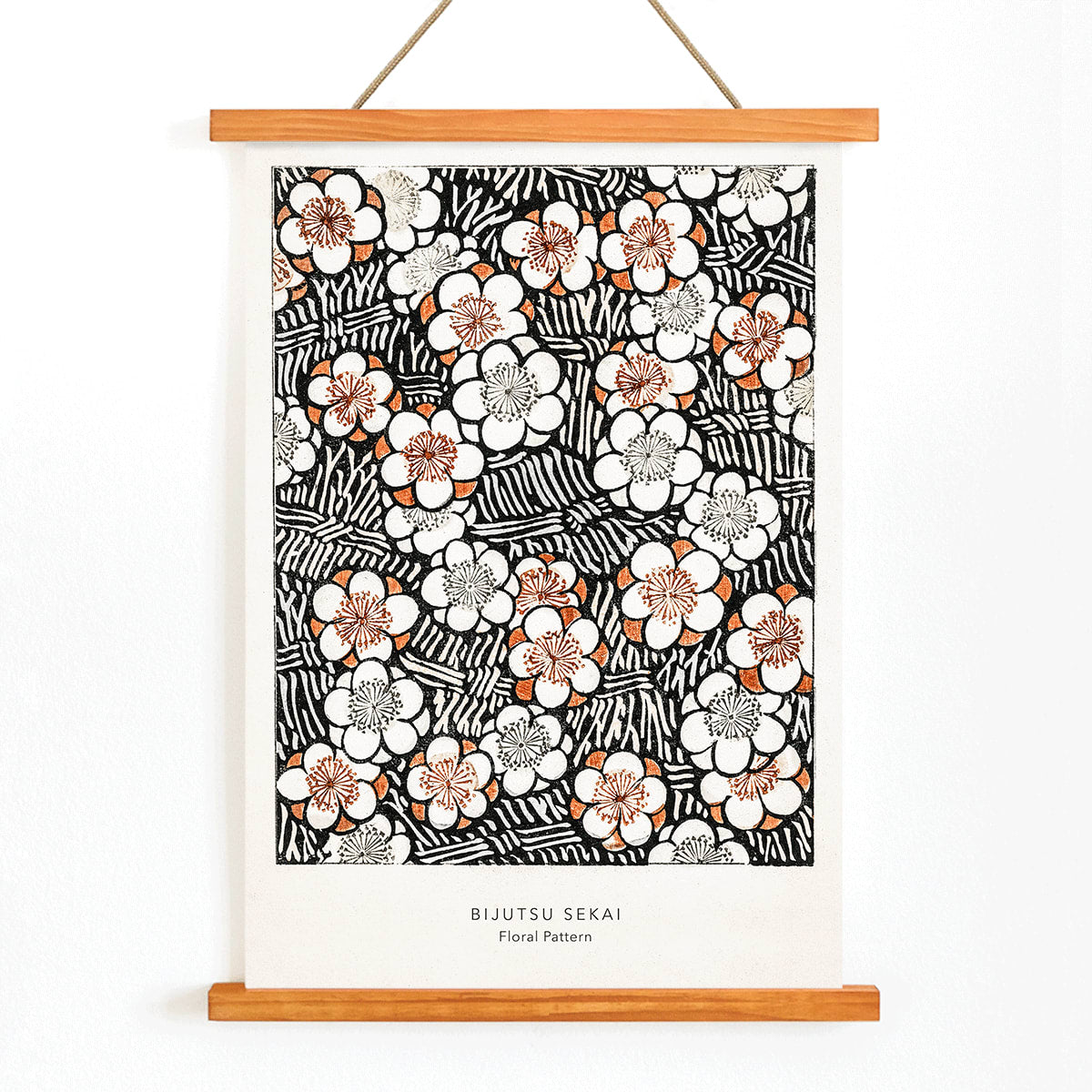
Floral pattern Poster
Watanabe Seitei · 1895 · Elegant floral pattern print with crisp outlines and airy negative space
Poster from CHF 9 · Framed from CHF 16
Regular price From CHF 6.00Regular price -
Cherry blossom from Bijutsu Sekai Poster
Watanabe Seitei · 1895 · Delicate cherry blossom botanical print with airy branch and refined Japanese color
Poster from CHF 9 · Framed from CHF 16
Regular price From CHF 6.00Regular price -
Pink sky Poster
Watanabe Seitei · 1895 · Airy sky-and-birds poster with soft pink haze and floating green cloud forms
Poster from CHF 9 · Framed from CHF 16
Regular price From CHF 6.00Regular price -
Green Landscape Poster
Watanabe Seitei · 1900 · Tranquil Japanese landscape art print with layered green hills and spacious, calming atmosphere
Poster from CHF 9 · Framed from CHF 16
Regular price From CHF 6.00Regular price


-

"Very nice Posters. The quality is amazing and we received it very quickly !"
-

"A shop to visit absolutely. Huge selection of posters. We spent more than an hour there !"
-

"Perfect to find gift. Price are very good. An they can frame and pack it on site"


About the Artist
Watanabe Seitei was a prominent Japanese painter and designer active during the Meiji era, renowned for his ability to blend classical Japanese aesthetics with the emerging trends of modern decorative arts. His works, often featured in influential pattern books and albums, inspired not only Japanese artists and artisans but also collectors worldwide who admired his refined approach to natural motifs.
Seitei’s dedication to kacho-ga, or bird-and-flower painting, helped shape the international appreciation for Japanese design, making his contributions a lasting reference point for those interested in vintage Japanese prints and decorative arts.
The Artwork
This floral pattern originates from Bijutsu Sekai, an illustrated art magazine published during the dynamic Meiji period. The publication aimed to disseminate high-quality designs for both study and practical application, supporting artists, craftspeople, and students in adapting traditional motifs for modern uses such as textiles, lacquerware, and ceramics.
Rather than conveying a specific story, this artwork embodies the Japanese reverence for seasonal beauty and meticulous observation of nature. It served as a model for those seeking to integrate authentic Japanese design into contemporary decorative arts.
Style & Characteristics
The composition features a repeating field of stylized white blossoms set against a deep, nearly black background, punctuated by warm orange accents. The crisp botanical forms are spaced to create a harmonious rhythm, allowing each element to stand out while maintaining overall balance.
Seitei’s technique is marked by clean lines and subtle gradations of tone, lending the pattern an elegant, poised quality. The serene mood and decorative clarity make it a timeless choice for botanical wall art and curated Japanese inspired prints.
In Interior Design
This vintage print brings a sense of calm and sophistication to interiors, working well in living rooms, bedrooms, or hallways where a subtle yet striking focal point is desired. Its pattern structure is versatile, suitable for both single statement pieces and gallery wall arrangements.
Pairing it with natural woods, black frames, or ivory textiles enhances its contrasts, while touches of orange in the decor can create visual harmony. The print complements minimalist, Japandi, and classic interiors, and integrates seamlessly with other orange tone posters in a thoughtfully curated space.